
SOLIS SOLUTIONS
Innovation through formulation.



540W JSM Solar Panel
R1,000.00
JSM-540/72H Solar Panels
- Monocrystalline module.
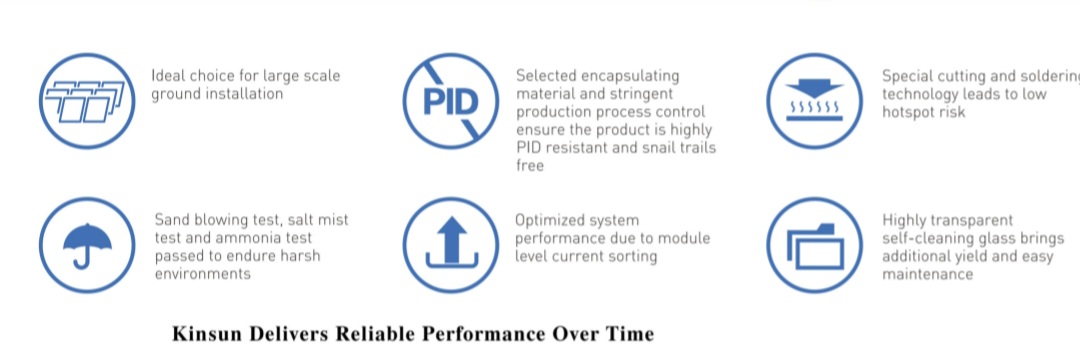
- Highly PID resistant.
- Sand blowing, misting and ammonia tested.
- Specialized soldering to reduce hot spot risk.
- Efficiency 21.2%.
- OC voltage 49.75V.
- CC voltage 13.63V.
- Highly transparent 3.2mm solar glass.
- Frame made of silver annodized aluminium alloy.
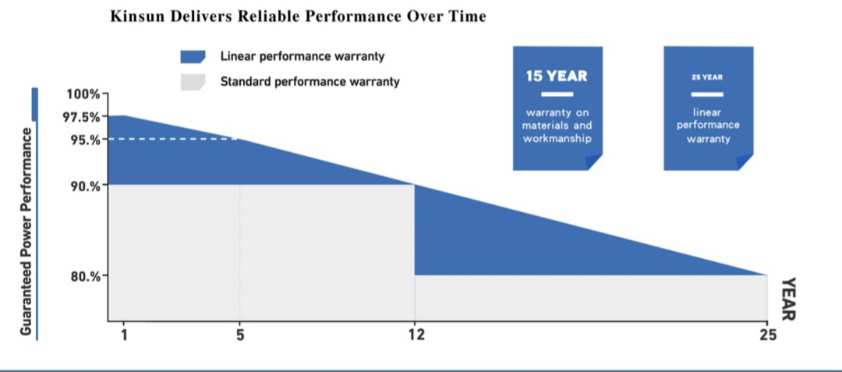
- 15 year material and workmanship warranty on solar panels with 25 year linear performance warranty.
Frequently Asked Questions
What can I use these units for?
These units have the capacity to power basic appliances such as kitchen appliances, air-conditioning units, pool pumps, etc. Depending on the size of the unit you purchase, they would be able to power a different number of devices for a specific time limit.
Click here for more information.
Why should I choose solar power?
From our analysis, we have found that solar power is by far the more reliable and feasible means for alternative energy production. In short, we have done the research for you.
How do I know which unit to purchase?
Drop us an email admin@solis-solutions.co.za Explain what you want to use the unit for and we will advise you on which unit fits best for your needs. Alternatively, see practical applications (Page 3).
How long will my battery last and how can I maximize my system performance without damaging my battery?
The lifespan of LifePO4 batteries is dependent on many factors. It is important that users understand the relationship between these factors. Some of these factors include DOD, number of cycles and battery age.
The depth of discharge refers to the capacity of the battery that is used up before it reads as empty. A cycle refers to 1 full discharge of a battery until it reads empty. Ideally you want a battery with a 100% DOD and unlimited cycles.
But this is never the case.
It is better to have a low Depth of discharge as this maximizes your number of cycles.
DOD is a pre-set variable on your battery it is different from battery life.
The best way to maximize your battery usage is to use your battery responsibly:
1) Check that you are not emptying your battery too often as this will cause your cycles to deplete
2) Similar to a cell phone, we recommend keeping your battery life between 30 and 80 percent to maximize its lifespan.
3) Keep track of your high energy appliances and try to minimize usage during loadshedding as this drain’s battery life.
A properly managed battery will last much longer and perform much more linearly.
What is the difference between hybrid and off-grid inverters?
Hybrid inverters are inverters that can function with and without the electricity grid. These inverters allow users to feed current back into the grid when there is an excess supply.
Off-grid inverters function solely off-grid meaning they do not feed current back into the grid.
Which is better?
Both inverters have their own advantages and disadvantages. If you are using a system for household applications, it is likely to be a low-powered inverter and there would be no point trying to feed current back into the grid as the price of installing such systems would be excessive.
A hybrid inverter can charge its internal battery (Different from the battery associated with your system) while on the grid. If there is a period of long power outages and no sunlight, this inverter will last longer and be able to power a household for a longer period than an off-grid inverter.
This is an extreme case.
Solis Solutions
Innovation through formulation.